A Comprehensive Guide to Commercial Leasing in Dubai


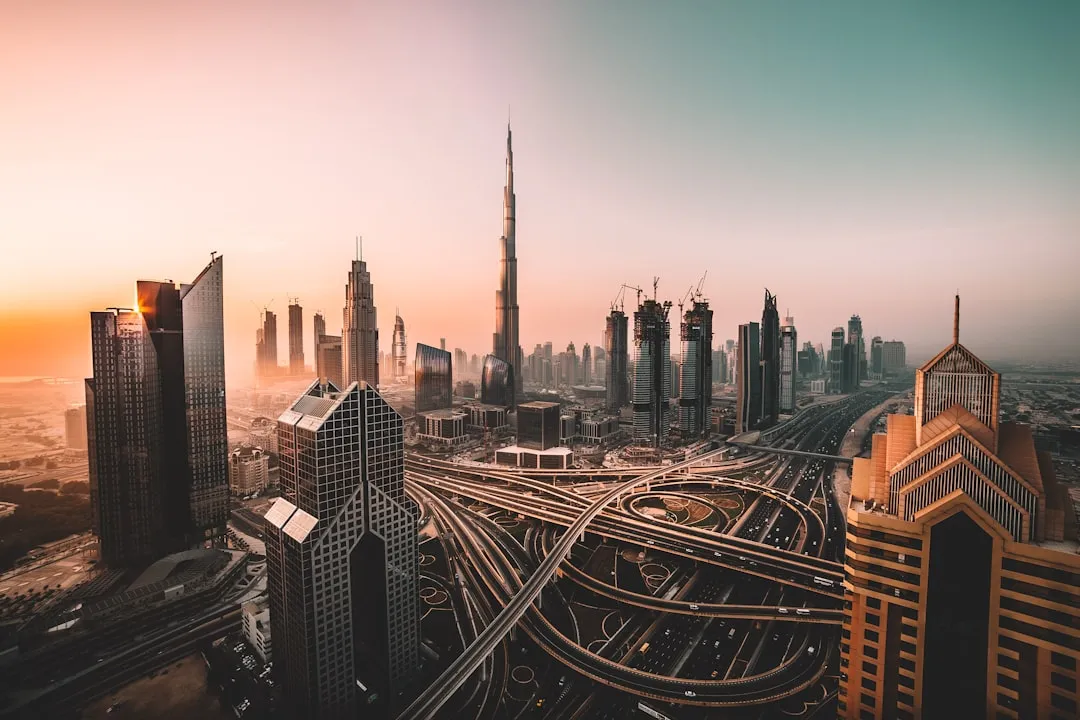
Commercial Leasing in Dubai
Finding the right office or retail space requires managing complex legal requirements and strict administrative timelines. This guide to commercial leasing in dubai provides a clear breakdown of lease terms, required documentation, and the mandatory Ejari registration process. You will gain the certainty needed to manage your move-in timeline and finalize your rental agreement with confidence.
Key Takeaways

- Lease terms. This guide to commercial leasing in dubai notes that while the legal minimum term is one year, high-quality operators often prefer commitments of three to five years.
- Leasing timelines. The process from initial viewing to move-in typically takes four to eight weeks to account for RERA registration and fit-out permits.
- Financial requirements. Tenants must budget for a security deposit ranging from 5% to 10% and a 5% VAT on all leasing services.
- Fit-out periods. Negotiated contracts frequently include a rent-free period of 15 to 90 days for space customization.
- Legal documentation. Every lease requires a valid Trade License and Memorandum of Association to complete the mandatory Ejari registration.
- Administrative Fees. Beyond rent, tenants should account for Ejari attestation fees and DEWA (utility) security deposits, which are essential for activating building services.
Financial and Legal Obligations for Tenants

What is included in the rent and are there additional costs for commercial leasing in Dubai?
Commercial rent in Dubai typically covers the base lease of the space, often quoted per square foot. However, understanding these costs is a essential part of any guide to commercial leasing in dubai, as it prevents budget overruns. Tenants must factor in several additional mandatory expenses:
- Security Deposit: Typically 5% to 10% of the annual rent, held by the landlord for the duration of the lease.
- VAT: A standard 5% Value Added Tax applies to all commercial leasing and related brokerage services.
- Municipality Tax: This ranges from 5% to 10% of the annual rent and is usually added to monthly utility bills.
- Service Charges: Fees for common area maintenance (CAM), cleaning, and security are often billed separately in older buildings.
High-quality destinations like Dubai Fintech District consolidate service charges into transparent, predictable fees. This contrasts with older properties with multiple owners where maintenance costs can fluctuate unexpectedly. To formalize the agreement, tenants must register the contract through the Ejari system. This government portal protects the rights of both parties and is required to obtain or renew a trade license. The registration involves a small administrative fee and the submission of the original lease agreement, copies of the tenant's passport, and the landlord's title deed.
Beyond the base rent, commercial occupants are responsible for a 5% VAT on all leasing services and a security deposit that typically ranges from 5% to 10% of the total annual contract value.
What are the key terms and conditions of a commercial lease in Dubai?
Standard lease terms include the contract duration, renewal options, and a negotiated rent-free fit-out period of 15 to 90 days. Contracts also define maintenance duties, subletting restrictions, and early termination penalties. While corporate checks are standard, private landlords may require personal guarantees from new startups or smaller enterprises.
Fit-out windows allow brands in Dubai Creative Park to customize their studios without incurring immediate overhead. GulfALTS ensures these clauses align with the operational needs of the tenant rather than maximizing short-term churn. High-quality owners prioritize long-term occupancy by providing clear exit flexibility and structured renewal paths. This approach ensures that businesses can invest in their physical space without the fear of sudden displacement or unreasonable rent hikes during the renewal window.
Choosing Sector-Specific Destinations for Growth
How flexible is the commercial lease agreement in Dubai for early termination or renewal?
Commercial lease flexibility in Dubai varies, but standard agreements typically include early termination penalties equivalent to two or three months’ rent. While one-year terms are common, high-quality developer-operators like GulfALTS often provide structured renewal options and scalable paths, allowing businesses to expand or adjust their footprint within category-defining districts as operational needs evolve.
Selecting a destination involves looking beyond the contract to the community and the long-term reliability of the asset manager.
- Community Alignment. Choosing space in a category-defining district like Dubai Fintech District or Dubai Creative Park provides immediate access to industry-specific networking and shared infrastructure. These hubs go beyond square footage to offer a specialized environment where tenants benefit from proximity to peers and specialized business services.
- Exit Flexibility. While private landlords often enforce rigid penalties, high-quality destinations managed by GulfALTS prioritize matching tenants over short-term churn. This operator-led approach provides international firms with clearer exit flexibility and scalable entry points, ensuring the lease supports business growth rather than restricting it.
- Building Quality. The developer-operator model ensures consistent build quality and maintenance standards that hold professional value over multiple lease cycles. Because GulfALTS originates and runs these long-life assets, tenants avoid the service disruptions common in properties with multiple owners, securing a stable environment for operations.
- Structured Renewals. Standard commercial leases in Dubai generally last one to five years, but professional operators offer more predictable renewal clauses. This transparency allows companies to plan investment costs with confidence, knowing the facility management and service reliability will remain at a global standard.
By focusing on these specific districts, companies can integrate into a network of like-minded professionals. This is particularly beneficial for startups and international firms that require more than just a desk; they require a platform for visibility. Districts like Dubai Creative Park are specifically designed for media and design professionals, offering studios that meet high technical requirements while maintaining the aesthetic standards expected by global creative agencies. This strategic placement ensures that the physical location contributes directly to the company's brand value and recruitment potential.




.svg)