Commercial Wellness Space for Rent Choices in Dubai


Key Takeaways
- Long-term lease terms. Securing a wellness space for rent in Dubai typically involves a three to five year commitment to offset capital expenditure on specialized infrastructure.
- Market valuation. The UAE wellness real estate sector reached $1.44 billion in 2024 after growing at an annual rate of 22.8% from 2019.
- Commercial rent escalation. Dubai commercial rental rates rose by 16.8% annually through Q3 2025.
- Mandatory coverage. Facility operators must secure public liability, professional indemnity, and commercial property damage insurance prior to handover.
- Technical specifications. Engineering reviews before leasing must evaluate slab load capacities, acoustic insulation, and high-capacity HVAC systems for hydrotherapy or heavy machinery.
Every commercial lease for a wellness space for rent in Dubai divides baseline pricing between fitted or shell-and-core rent and distinct service charges covering security, district management, and maintenance. This pricing split means your true monthly overhead depends on specific mechanical utility metering and whether the physical location requires specialized HVAC or drainage upgrades. Evaluate subfloor acoustic dampening, structural load capacities, and mandatory public liability coverage before signing any commercial lease.
Key Operational Considerations When Leasing Wellness Space
What should you know before leasing practice space?
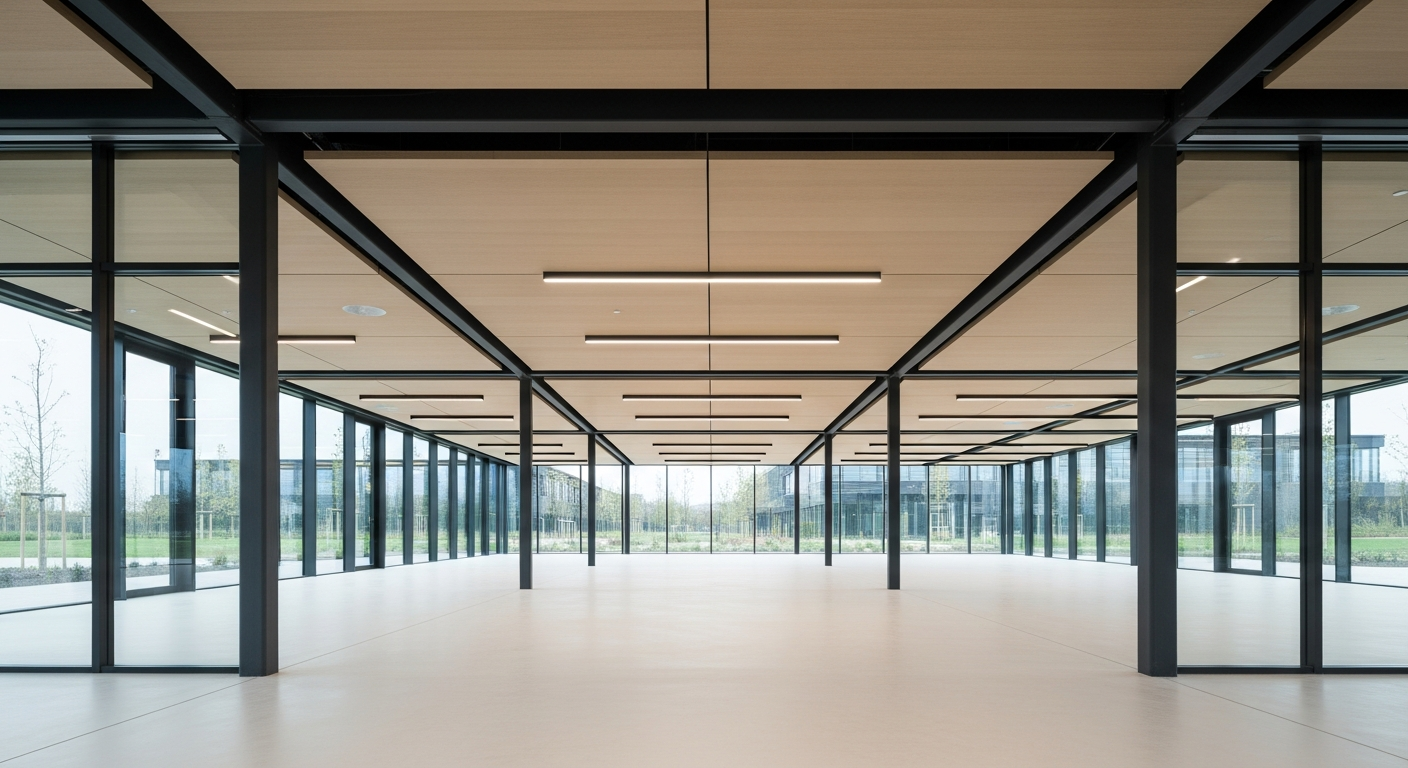
Before leasing commercial wellness space in Dubai, operators must evaluate technical building specifications to ensure the physical structure supports specialized operations. Key criteria include clear ceiling heights, floor loading capacity for heavy equipment, acoustic insulation, and high-capacity HVAC systems designed for high-occupancy fitness or recovery zones.
Prior to signing, review these core engineering requirements:
- Structural loading: Verify slab capacity and ceiling clearances to accommodate heavy machinery, recovery apparatus, or hanging fixtures.
- Acoustic insulation: Assess subfloor dampening and wall attenuation to prevent sound and vibration transfer between active zones and neighboring occupiers.
- HVAC and wet utilities: Ensure dedicated high-capacity airflow, humidity controls, and high-volume drainage connections support specialized hydrotherapy or sauna installations.
What is included in the rent when leasing a wellness space?
Commercial wellness rent in Dubai typically includes base rent for shell-and-core or fitted space, alongside service charges covering common area maintenance, security, and district management. Additional utility metering and specialized mechanical infrastructure expenses are generally billed separately based on individual tenant consumption.
Base rents reflect whether the space is delivered as raw shell-and-core or as a pre-fitted commercial unit. Service charges vary across commercial destinations, so operators should confirm exactly which shared services fall under the master building management fee.
Should tenants carry specific insurance?
Yes, commercial wellness operators in Dubai must carry specific insurance policies to meet municipal standards and protect against operational risks. Essential coverage includes public liability, professional indemnity for clinical or fitness staff, and commercial property damage insurance aligned with UAE health authority requirements.
Landlords require proof of active coverage before handing over keys for fit-out or operation. Maintaining appropriate policy limits protects the business against equipment loss, facility damage, and third-party injury claims.
Lease Terms, Customization, and Operating Guidelines

Is it a long-term lease or month-to-month?
Commercial wellness spaces in Dubai are typically leased on long-term commitments ranging from three to five years rather than month-to-month agreements. These multi-year terms provide business stability and allow operators enough time to amortize significant capital expenditure on specialized fit-outs, heavy machinery, and plumbing infrastructure.
With Dubai commercial rents rising 16.8% annually through Q3 2025, multi-year contracts also protect businesses from sudden price spikes. Commercial developers prefer stable tenants who invest in high-grade interiors and build long-term local client bases.
Can I decorate or brand the room my way?
Yes, commercial tenants can fully customize and brand their rented spaces, provided the design complies with the building operator's tenant fit-out manual. Developers grant significant creative freedom for interior concepts, structural changes, and signage while enforcing baseline safety standards, structural load limits, and building MEP guidelines.
Clear fit-out rules ensure that bespoke treatment rooms, specialized flooring, and unique lighting align with district standards without causing structural or acoustic issues.
According to regional market data, the UAE wellness real estate segment reached $1.44 billion in 2024 after growing at 22.8% annually since 2019, driven by sustained demand for specialized, experience-led commercial venues.
Are there any restrictions on hours of operation?
Operating hours depend on district zoning, but dedicated commercial destinations generally permit extended early morning and late evening operational windows. Unlike residential buildings with strict quiet hours, master-planned commercial developments allow wellness operators to run early fitness classes and late recovery sessions to meet peak member traffic.
Commercial developments designed by developer-operators like GulfALTS account for early and late visitor flows in their security, lighting, and access planning. Planned commercial destinations like Dubai Creative Park are designed to accommodate high-volume member access across non-standard business hours without disturbing residential surroundings.
Accessibility and Destination Strategy for Operators

How is the parking and accessibility for clients?
Client parking and road access determine repeat visits and retention rates for wellness spaces in Dubai. High-performance concepts require high parking ratios, valet choices, and direct arterial connections so members arrive without delays during morning or evening peak hours. Dedicated parking prevents traffic bottlenecks and maintains consistent class throughput.
Peak operational hours in Dubai usually cluster between 6:00 AM and 9:00 AM, as well as after 5:00 PM. Facilities without reserved spaces or swift exit paths lose members to accessible alternatives in nearby commercial hubs.
Which Dubai commercial districts support high-performance wellness brands?
Commercial districts with central geography, flexible floor plans, and supportive zoning suit high-performance wellness brands in Dubai. Al Quoz provides high-volume footprints for recovery centers and fitness clubs, while purpose-built hubs offer coordinated environments that bring together sports facilities, medical clinics, and specialized health operators.
GulfALTS is developing Dubai Creative Park as a planned 500,000 sq ft wellness and fitness destination in Al Quoz. Designed to feature a 200,000 sq ft sports allocation with seven padel courts, a semi-Olympic pool, and a classic gym with recovery areas, this destination anchors complementary brands within a single managed district.
Operators selecting commercial wellness space in Dubai gain distinct positioning by joining managed destinations built specifically for foot traffic and tenant growth. Leasing space across GulfALTS portfolio ensures long-term operational stability and direct access to high-value active communities.
Sara Khoury's Take
Operators consistently underestimate technical retrofit costs when evaluating base rental rates across Dubai. Specialized HVAC, subfloor dampening, and wet utility upgrades rapidly erode capital before doors even open. I always advise tenants to conduct engineering audits prior to committing to multi-year leases, ensuring structural requirements are factored directly into initial capital allocations.




.svg)