

Why Building 6 in Dubai Design District Attracts Creatives

Building 6 Dubai Design District: A Strategic Hub for Creative Enterprises | Gulfalts
Key Takeaways
- Economic contribution. Dubai aims to grow the creative sector's impact to 5% of the local GDP by 2031 through the Creative Economy Strategy.
- Strategic location. Building 6 sits in the core of the Dubai Design District (d3), providing direct access to the waterfront and the retail spine.
- High demand. Market data from early 2024 shows a 20% year-on-year increase in demand for premium office spaces in Dubai.
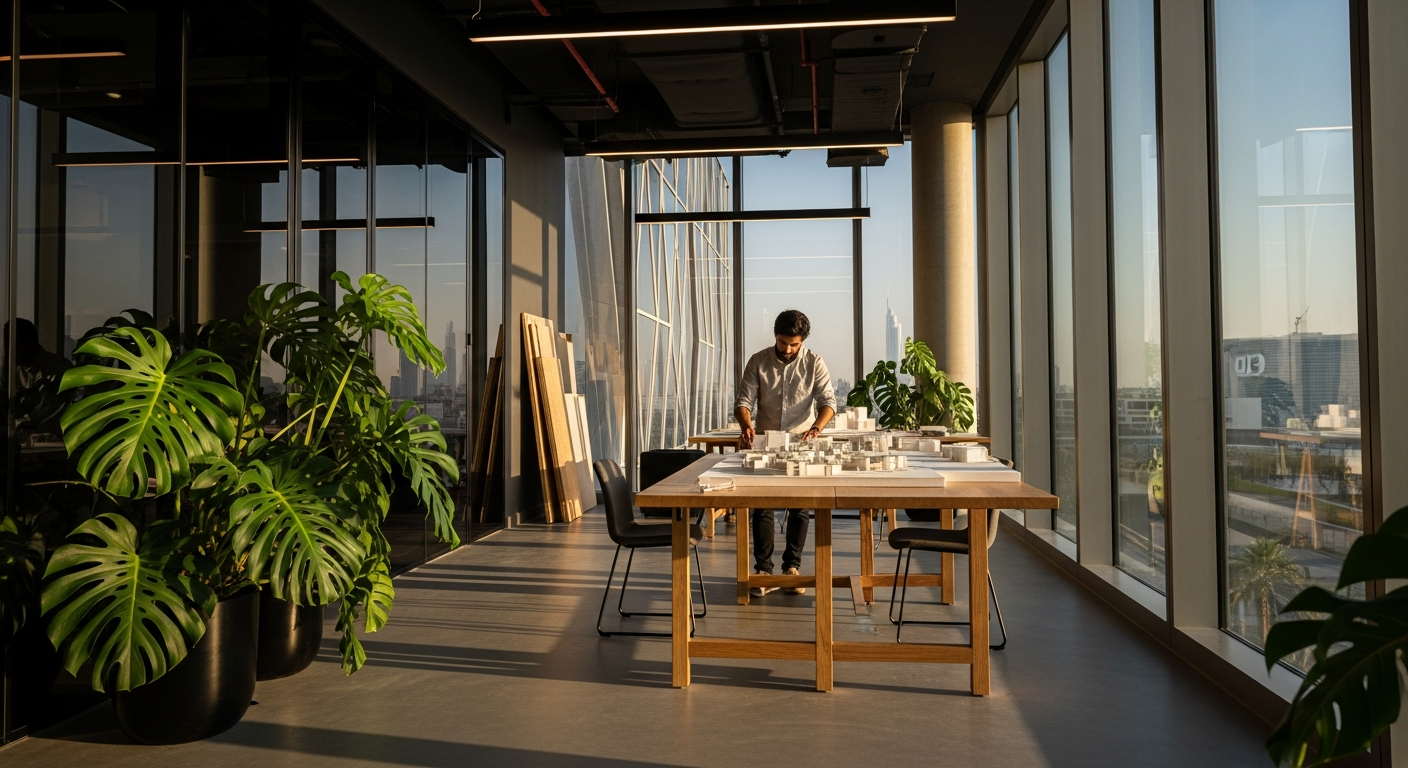
- Natural design. The building features floor-to-ceiling glass facades that maximize daylight, which supports employee productivity and well-being.
- Operational focus. High occupancy rates in creative hubs depend on active management and hospitality-grade service standards.
The Evolution of Dubai Design District as a Creative Hub
Dubai Design District, commonly known as d3, opened in 2015 as a dedicated home for the creative community. Government officials built this free zone to attract talent in fashion, architecture, and digital media from around the globe. Many professionals look for building 6 dubai design district to find a central point within this vast network.
The UAE Creative Economy Strategy plans to double the sector's contribution to the economy by 2031. This initiative matches the D33 economic plan, which aims to double the size of Dubai's economy over the next decade. These national goals create a fertile environment for long-term commercial investment.
Walking through d3, you'll notice how the district feels different from a traditional office park. The area uses pedestrian-friendly paths and open exhibition spaces to encourage people to meet and share ideas. This layout was specifically designed to foster spontaneous networking between different creative disciplines.
This environment helps smaller startups and large global firms coexist in the same neighborhood. The district provides the infrastructure and connectivity that modern creative businesses need to grow. Having a diverse tenant mix ensures that the ecosystem remains resilient against market fluctuations.
Key industries that have established a presence in the district include:
- Architecture and urban planning.
- High-end fashion and apparel design.
- Digital marketing and branding agencies.
- Industrial and product design studios.
Defining Features of Building 6 in Dubai Design District
Building 6 stands out as a primary destination for companies that value design and functionality. It was part of the district's first phase and remains a popular choice for high-profile tenants. Choosing a space in building 6 dubai design district offers firms a prestigious address with modern amenities.
The architectural design uses large glass panels to fill every floor with natural light. You will notice that the studios and offices feel bright and open, even during the peak of the day. This reliance on natural light helps reduce the need for artificial lighting and creates a better workspace.
Architecture firms and branding agencies prefer the flexible floor plans found in this building. These open layouts allow companies to customize their workspace as their teams grow or their projects change. Adaptable spaces are essential for creative teams that move between collaborative and focused work.
The ground floor features a mix of cafes and retail shops that stay busy throughout the day. These spots serve as informal meeting areas where designers can speak with clients in a relaxed setting. These amenities contribute to a lifestyle-oriented atmosphere that attracts top-tier talent to the building.
The building also integrates several modern technical features:
- High-speed fiber optic connectivity for digital agencies.
- Integrated climate control systems for energy efficiency.
- Secure underground parking for tenants and visitors.
- Dedicated service elevators for large-scale design equipment.
Operator-Led Platforms and Value in Creative Spaces
A building needs more than just a roof and four walls to support a creative team. Successful hubs require active management that understands the specific needs of design and fashion businesses. This transition from passive landlord to active operator is a major trend in Dubai's commercial market.
Dubai Creative Park serves as a great example of how a managed destination functions. This model prioritizes the daily experience of the people working there, ensuring every service meets a high standard. When an operator takes an active role, the property becomes more than just a place to work.
Active operators look at the mix of businesses within a building to ensure they fit together well. This strategy creates a neighborhood effect where a graphic designer might find their next project while grabbing coffee next door. Curating the tenant list helps maintain a consistent brand identity for the entire property.
Reliable service and maintenance keep a building in top condition over many years. When a building is run like a high-end hotel, companies are more likely to stay and grow their business in that spot. Professional management directly impacts the long-term valuation and desirability of the real estate.
Essential services provided by operator-led platforms include:
- On-site community management and concierge services.
- Regular networking events and industry workshops.
- Streamlined maintenance and facility repairs.
- Coordinated security and access control systems.
The Future of High-Quality Commercial Real Estate in Dubai
The appetite for premium workspace in Dubai shows no signs of slowing down. People want offices that offer more than just a desk, seeking out places that offer lifestyle perks and a sense of community. This shift is pushing developers to prioritize design quality over simple square footage.
Investors are drawn to districts like d3 because of the clear government support for the creative industries. Proximity to the waterfront and luxury hospitality adds further value to these physical buildings. Strategic locations continue to command a premium in the competitive Middle Eastern market.
However, results can vary based on the specific location and the quality of the building management. Not every office block will see the same level of interest from top-tier creative firms. Sustaining high occupancy requires a commitment to constant improvement and tenant engagement.
Sustainable buildings are becoming the standard for international companies moving to the region. High build quality ensures that an office stays relevant even as newer developments enter the market. The long-term success of building 6 dubai design district is tied to its ability to meet these evolving environmental standards.
Gulfalts builds and operates commercial destinations that focus on long-term performance and tenant satisfaction. With extensive experience in managing high-traffic creative hubs, Gulfalts applies institutional-grade standards to ensure every property performs at its peak. By using an operator-led approach, the firm turns standard office environments into thriving ecosystems where businesses can scale with confidence.
Modern commercial real estate success is driven by:
- Integration of sustainable and green technologies.
- Proximity to lifestyle and wellness amenities.
- Flexible leasing terms for growing enterprises.
- Robust digital and physical infrastructure.


